Stories about Riesling.
On the grape and its origins, vineyards and people, history and curiosities. Researched, backed by sources and told without hurry.
All articles
15 articles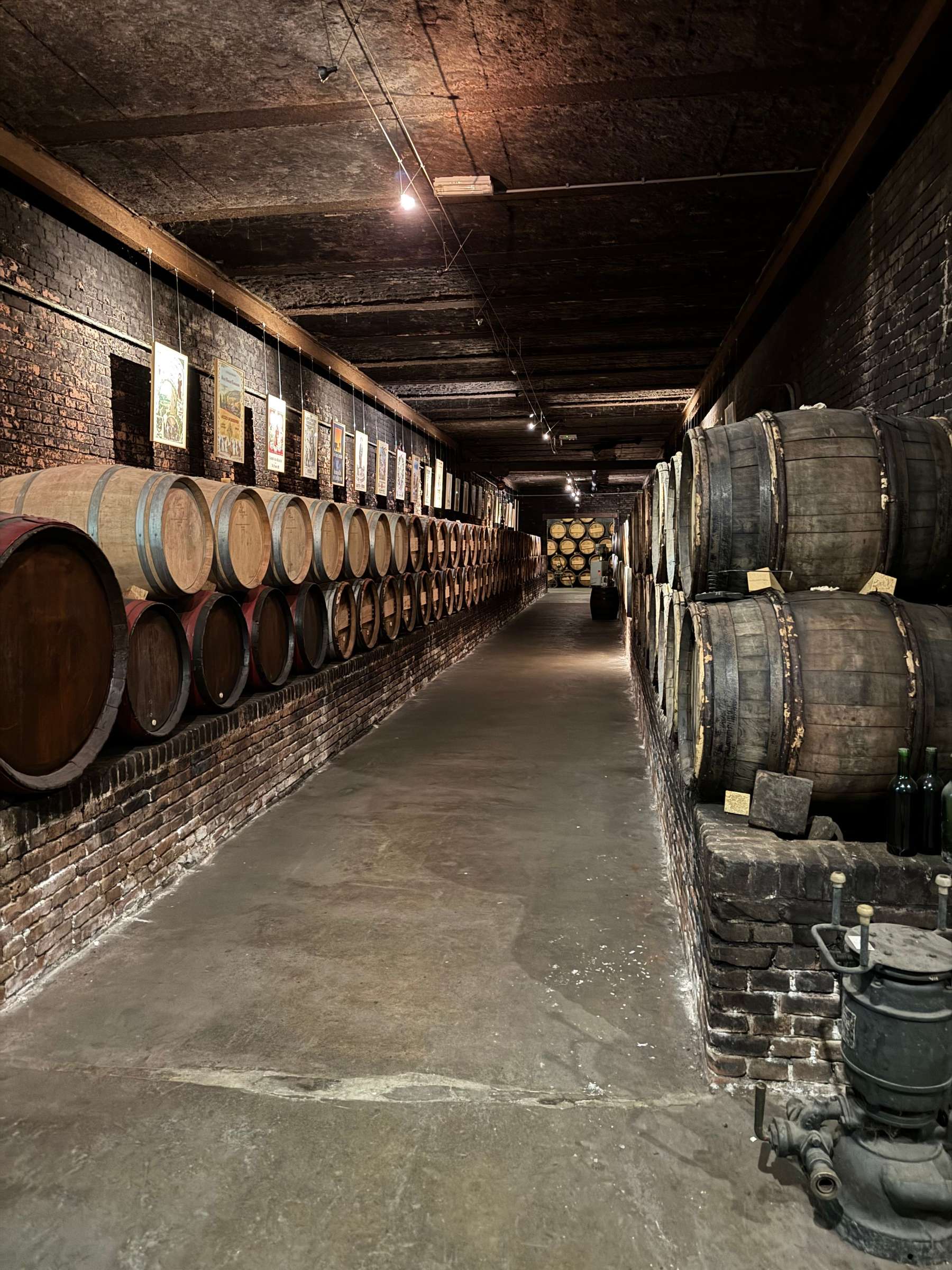 Photo: Lisa Dol / Pexels
22 shillings for vine cuttings: how Riesling entered the records in 1435
The oldest known mention of Riesling is not a hymn of praise but an entry in a cellar account from Rüsselsheim. What it actually says, what scholars still argue about, and what the town makes of it today.
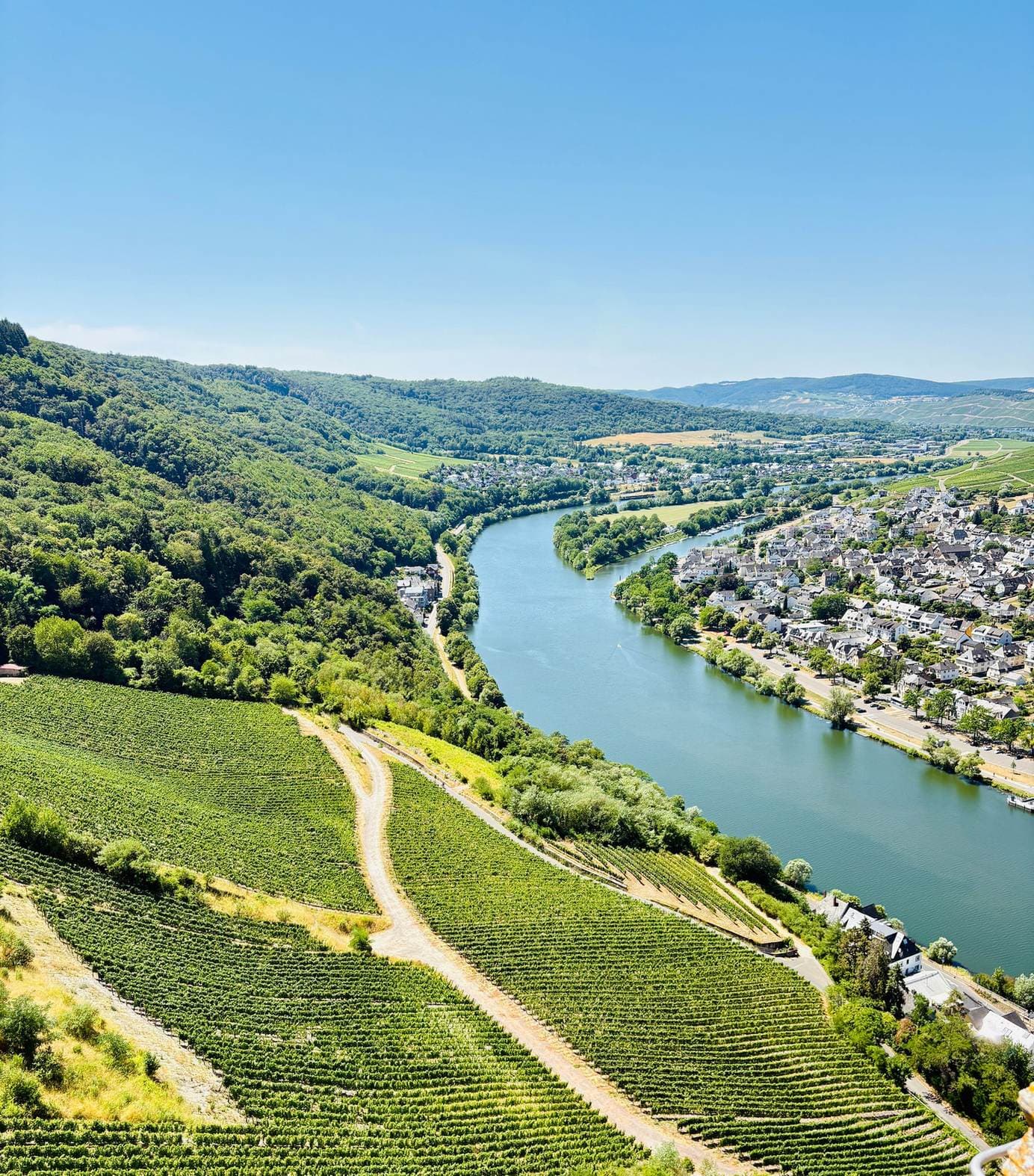 Photo: Sajid Shiper / Pexels
From Naturwein to Große Lage: how the VDP classification came about
Gutswein, Ortswein, Erste Lage, Große Lage: today the VDP’s pyramid seems a matter of course. Behind it lies a detour of more than a century, by way of auctions, a contentious wine law and a great deal of committee work.
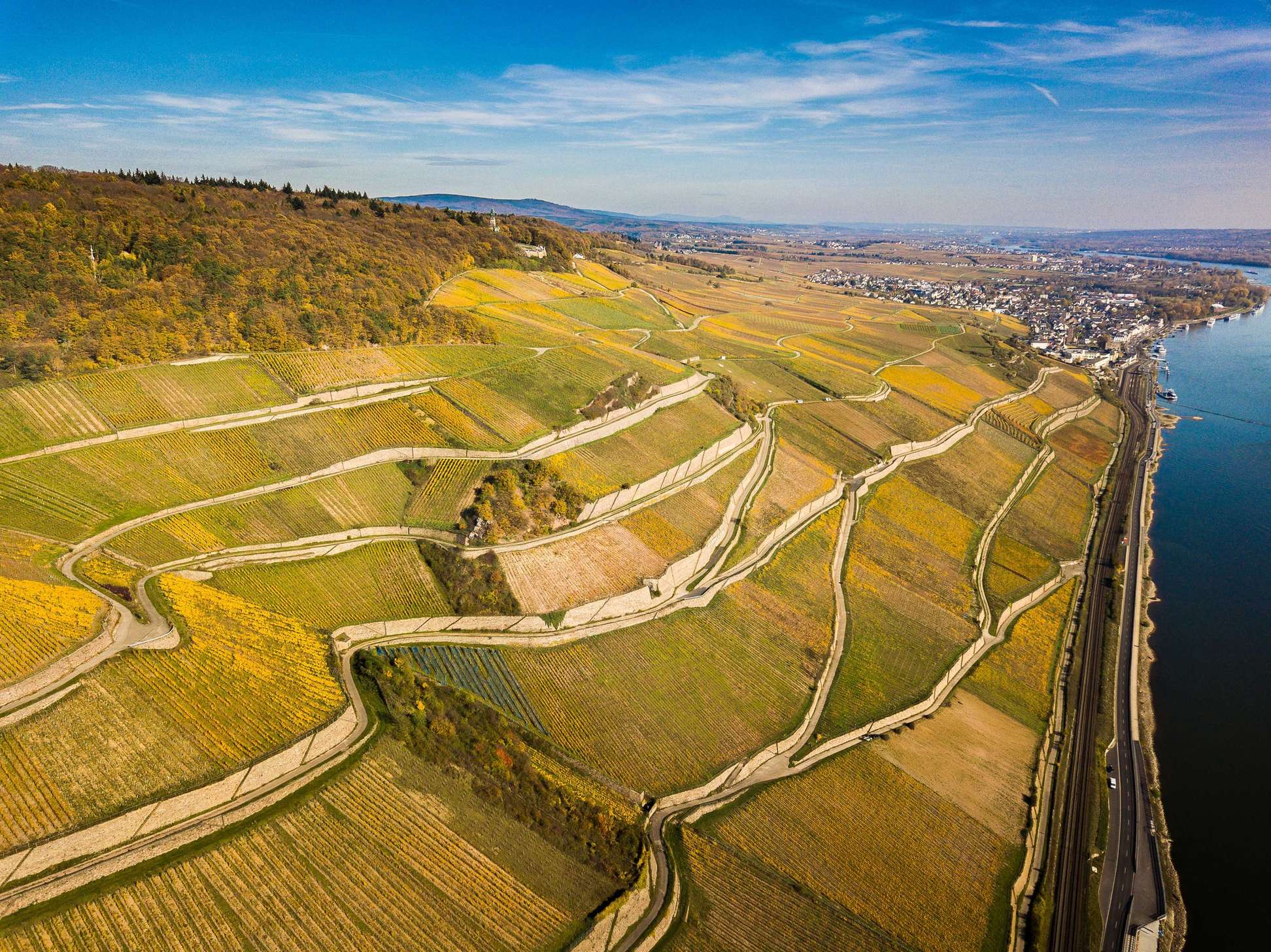 Photo: Holger J. Bub / Pexels
Heymann-Löwenstein: the terroir rebel and the three faces of the Uhlen
For decades in Winningen, Reinhard Löwenstein argued that slate says more about a wine than must weight. In November 2025 the family announced the sale of the estate, and since January 2026 a new managing director has been in charge. The terraces remain.
 Photo: Luca J / Unsplash
Nahe: diversity in a small space
No German wine region changes its bedrock as often as the Nahe. For a long time its wine was sold under other names; only since 1971 has it stood in its own right.
 Photo: Corina Rainer / Unsplash
Not all dry is the same: residual sugar, acidity and what the label reveals
A Riesling with 8 grams of sugar may be called dry, and a Kabinett can be sweet or bone dry. How wine law governs taste descriptions on the label – and why acidity is part of the calculation.
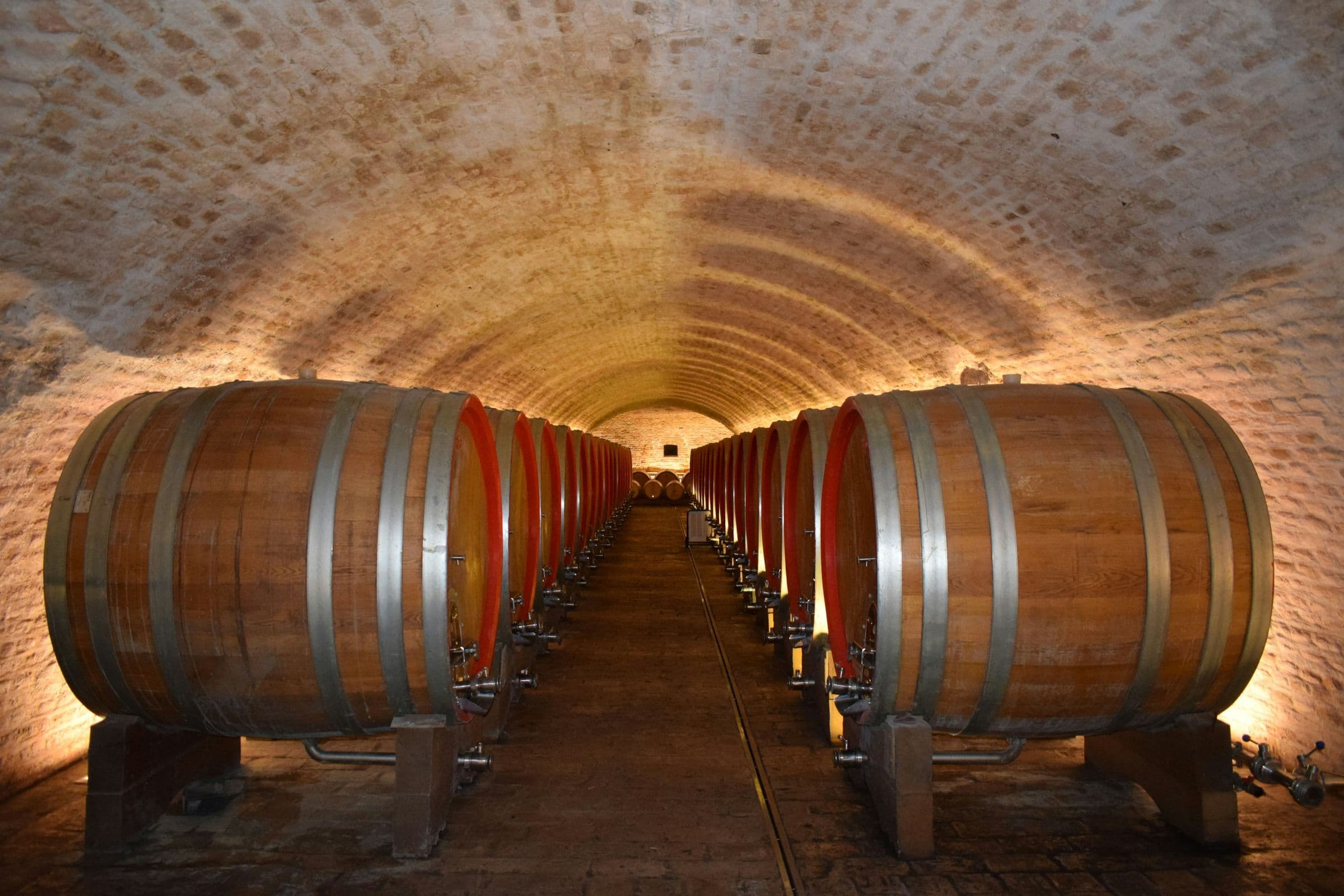 Photo: Kristina Kutleša / Unsplash
Peter Lauer: Riesling by house number
In the Saar village of Ayl, the wines carry no fanciful names, only cask numbers. Behind the numbering lie a cellar full of Fuder casks, a grandfather with a sense of order and a slope that tells its story parcel by parcel.
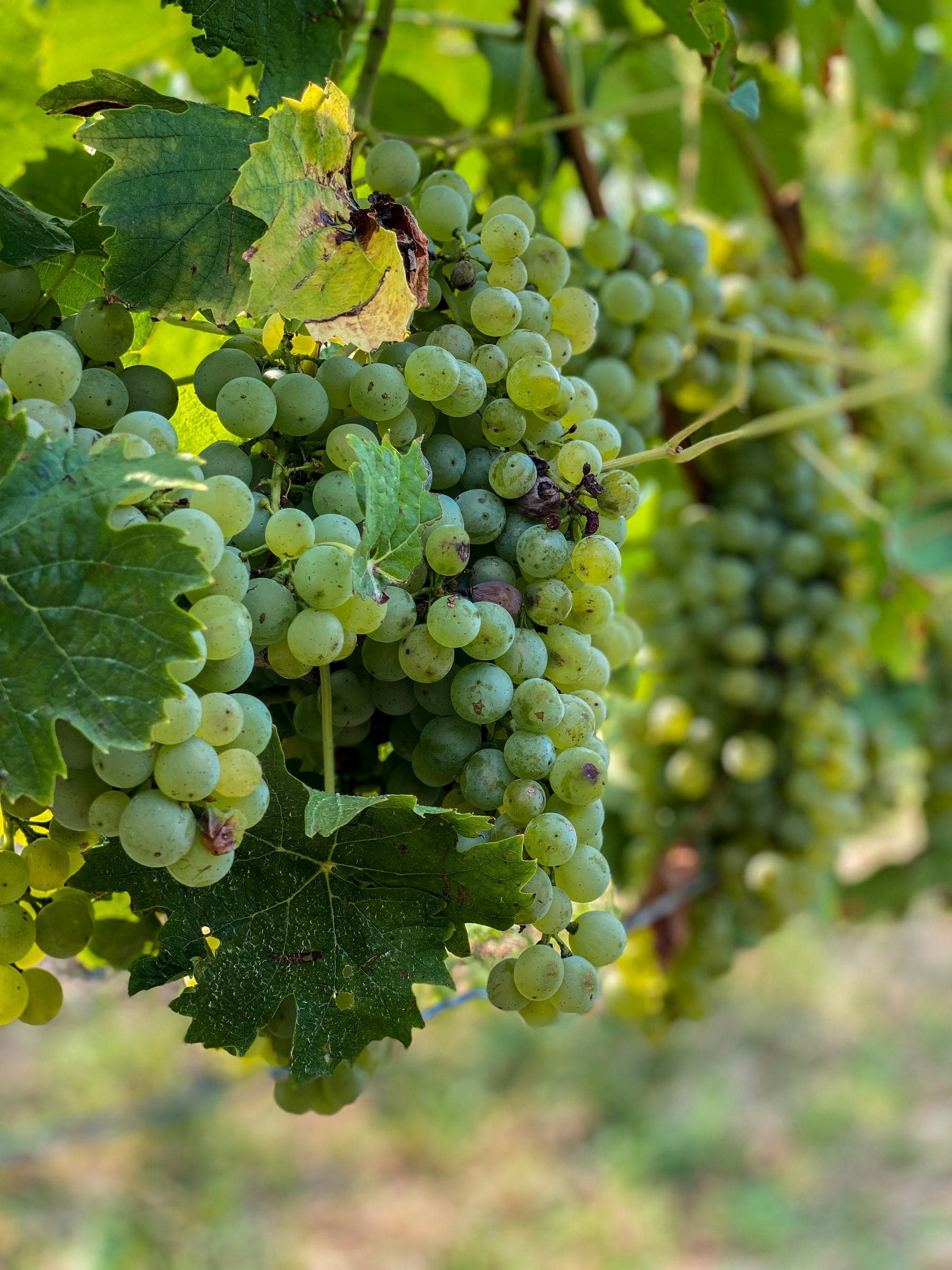 Photo: Sophie Backes / Unsplash
Riesling in the greenhouse: how climate change is transforming the grape
Riesling on the Mosel once often failed to ripen; in the Rheingau its harvest now begins three weeks earlier than in the 1950s. A variety made for cool sites is looking for new refuges.
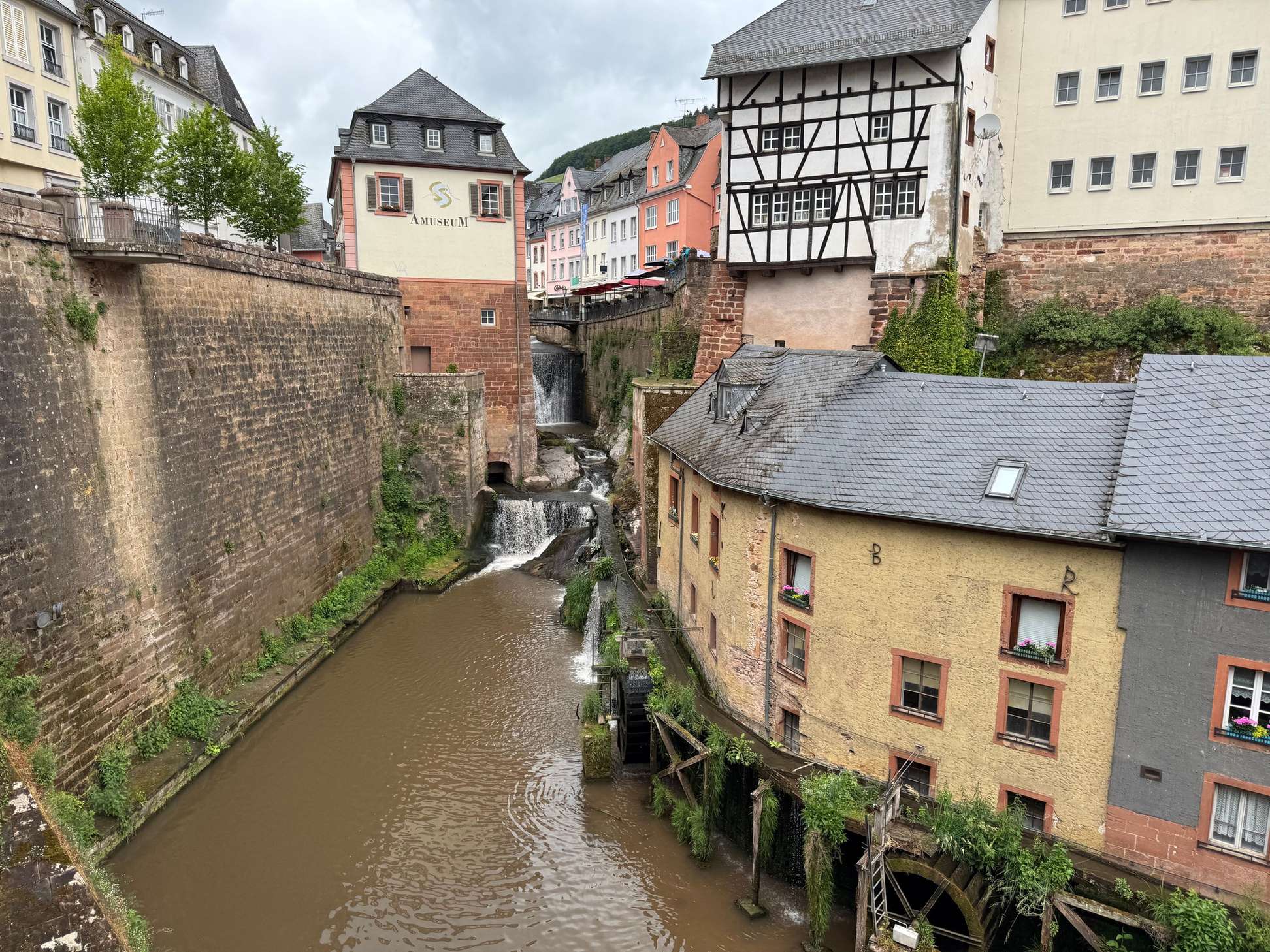 Photo: Oliver / Pexels
Saar: the cold valley
Around 1900 the Saar was one of the most expensive wine addresses in the world; it then fell a long way and is back on top today. A visit to a side valley of the Mosel where Riesling long hung in the balance.
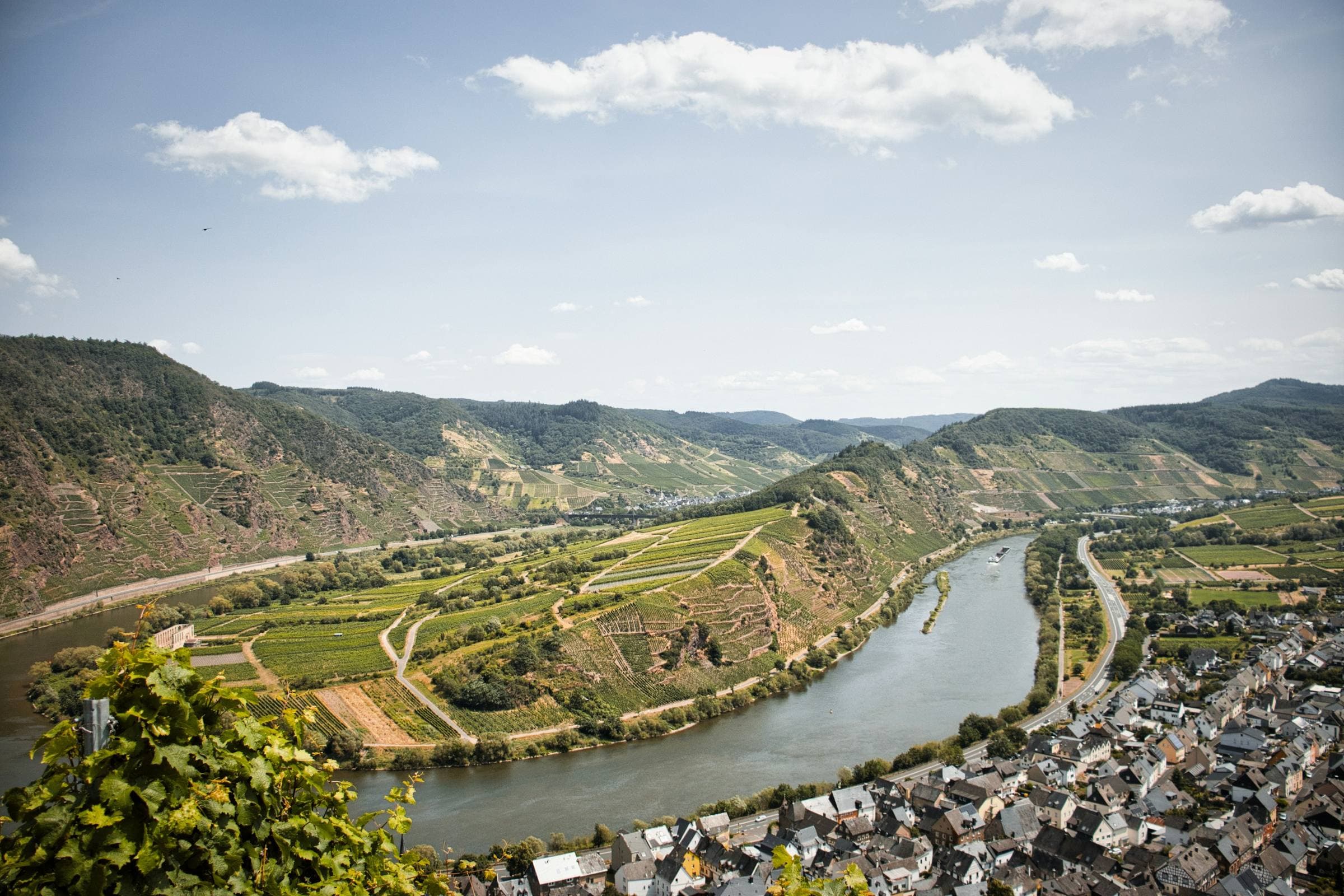 Photo: paws and prints / Unsplash
The Calmont: just how steep is Europe’s steepest vineyard?
Between Bremm and Ediger-Eller, winegrowers and walkers clamber through a vineyard that likes to adorn itself with a superlative. Yet on the question of how steep it actually is, the figures diverge remarkably.
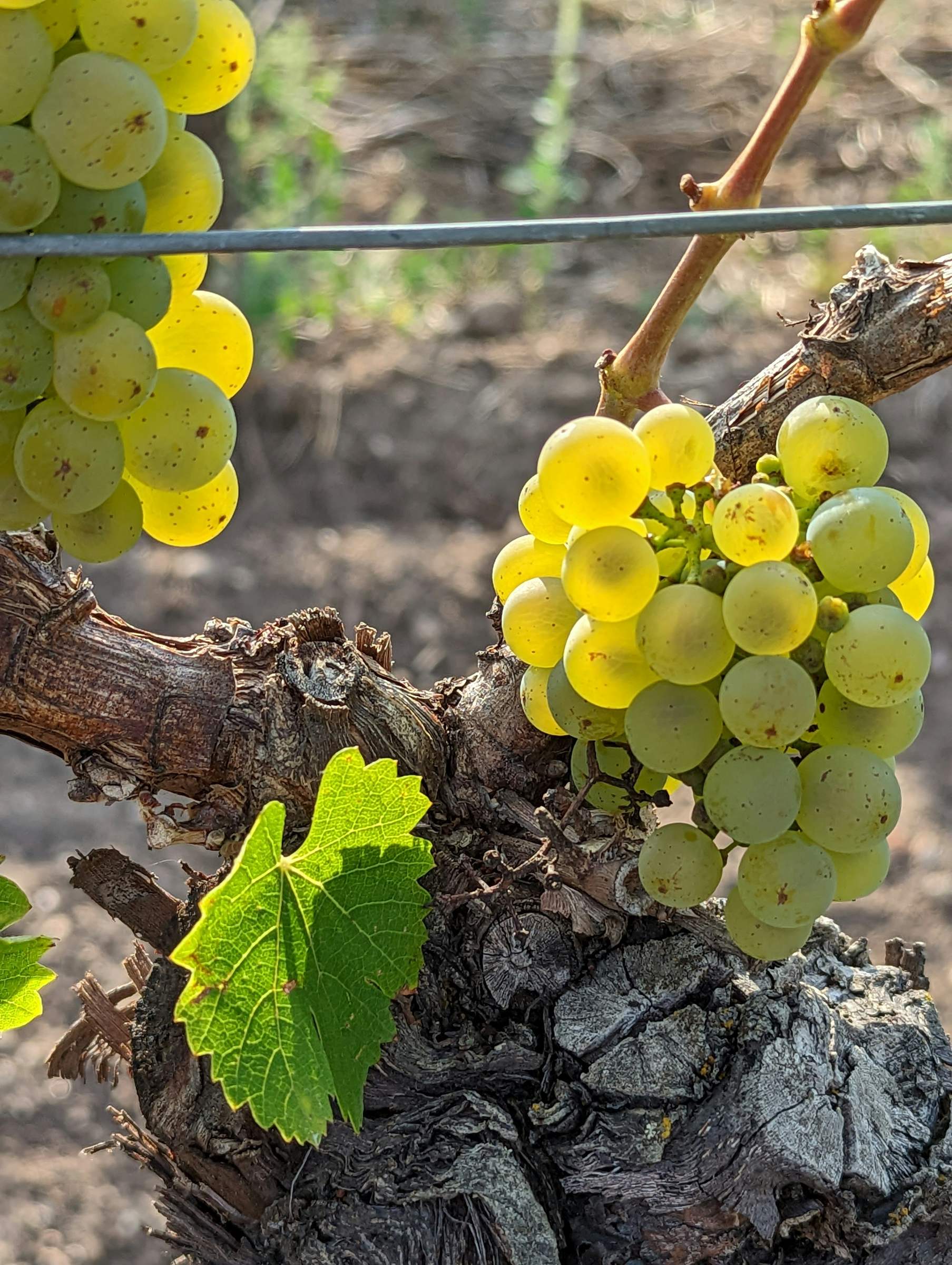 Photo: Jens Meyers / Unsplash
The genes of a diva: where Riesling comes from
A peasant’s wine for a father, a presumed offspring of Traminer for a mother: DNA analysis has thoroughly demystified Riesling’s family tree. Why the variety nonetheless shows so precisely where it was grown.
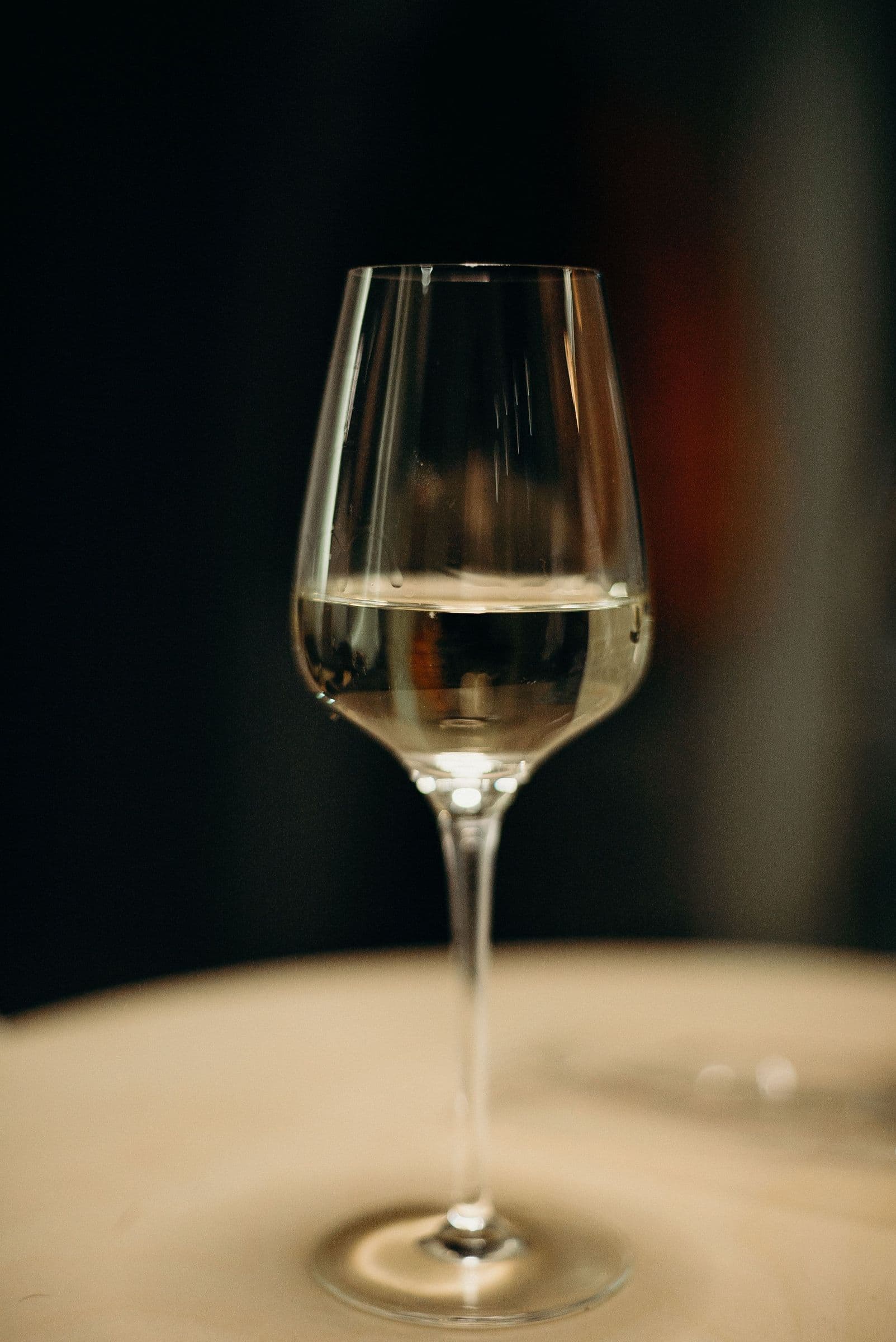 Photo: cottonbro studio / Pexels
The petrol note: when Riesling smells of the filling station
A molecule with an unwieldy name is the reason mature Riesling can smell of kerosene. To some it is a fault, to others the grape’s calling card. What research knows about TDN – and what it does not.
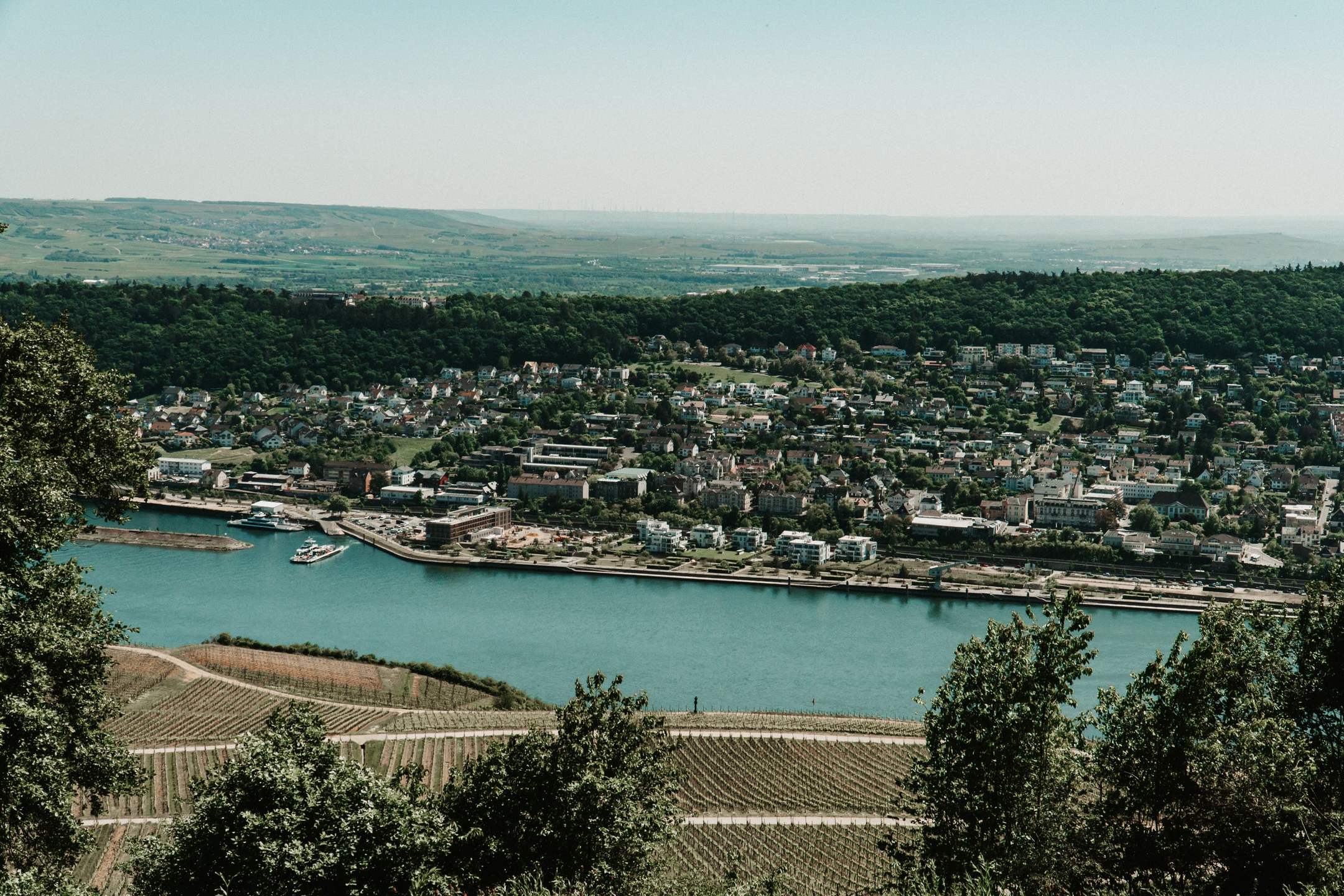 Photo: Masood Aslami / Pexels
The Spätlesereiter: how a late messenger made wine history
In 1775 Schloss Johannisberg waited too long for permission from Fulda to start the harvest, and the result was a wine that left its cellar master enraptured. What the famous story can prove, and where the legend takes over.
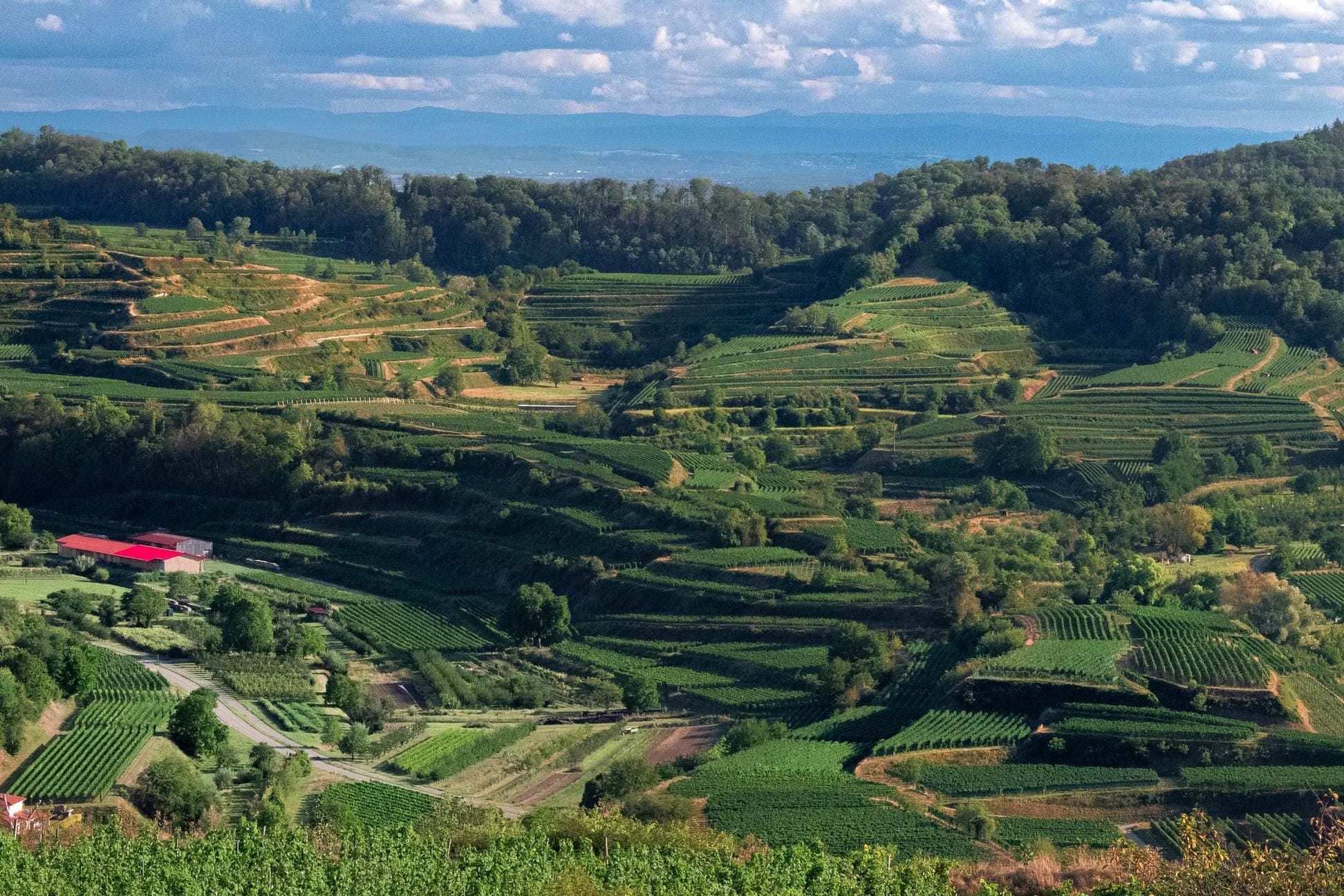 Photo: Klaus Mächtel / Pexels
The steep-slope rescuers: who is giving the Mosel back its hillsides
Every year, vineyard land on the Mosel disappears into scrub. A few winegrowers are going the other way and reclaiming abandoned steep sites. Four examples – and why the sums still don’t add up.
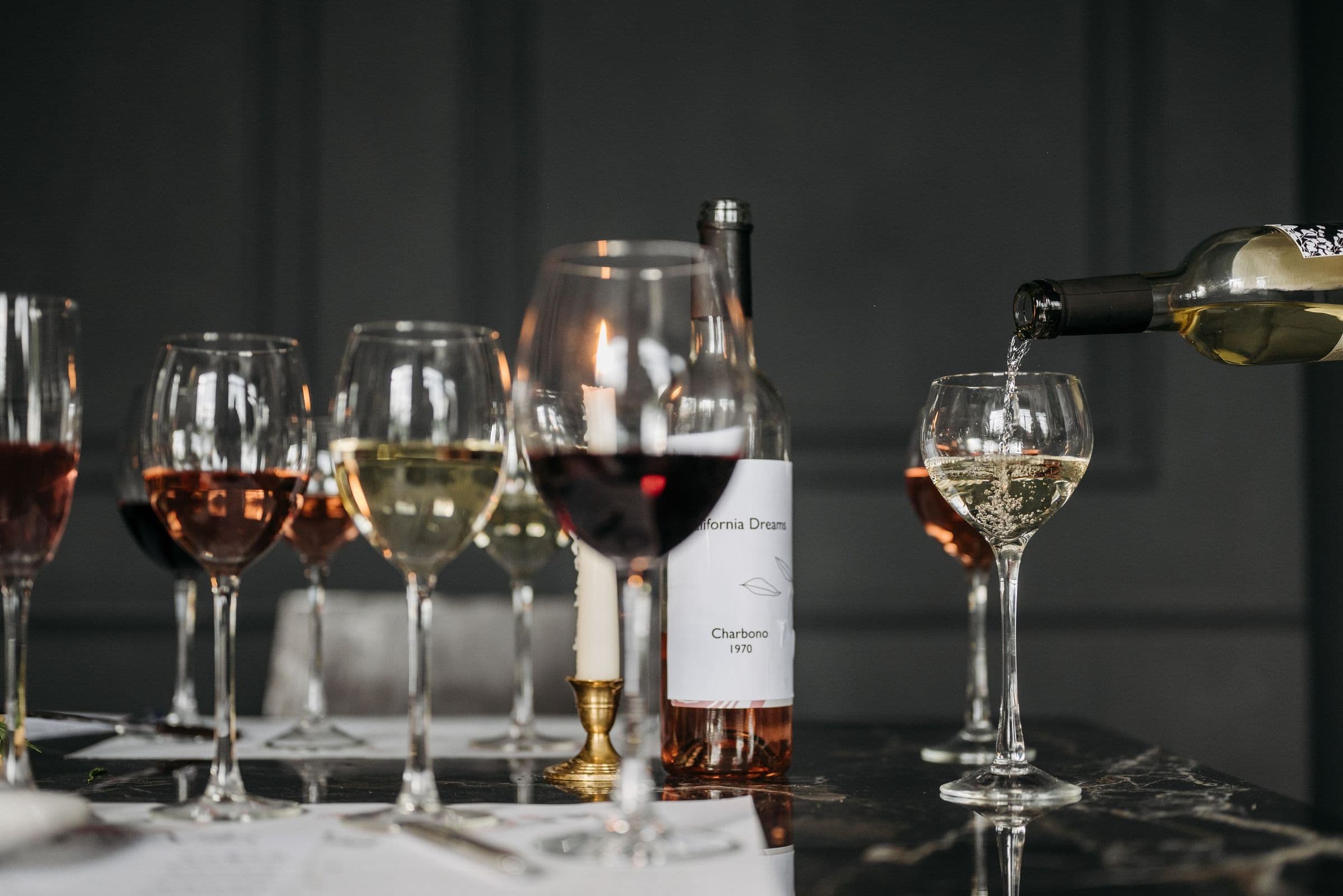 Photo: Pavel Danilyuk / Pexels
Under the hammer: the Großer Ring auction in Trier
Once a year in Trier, Rieslings that cannot be bought anywhere else go under the hammer. On a tradition dating back to the 19th century, commission agents as intermediaries, and bottles that cost as much as a small car.
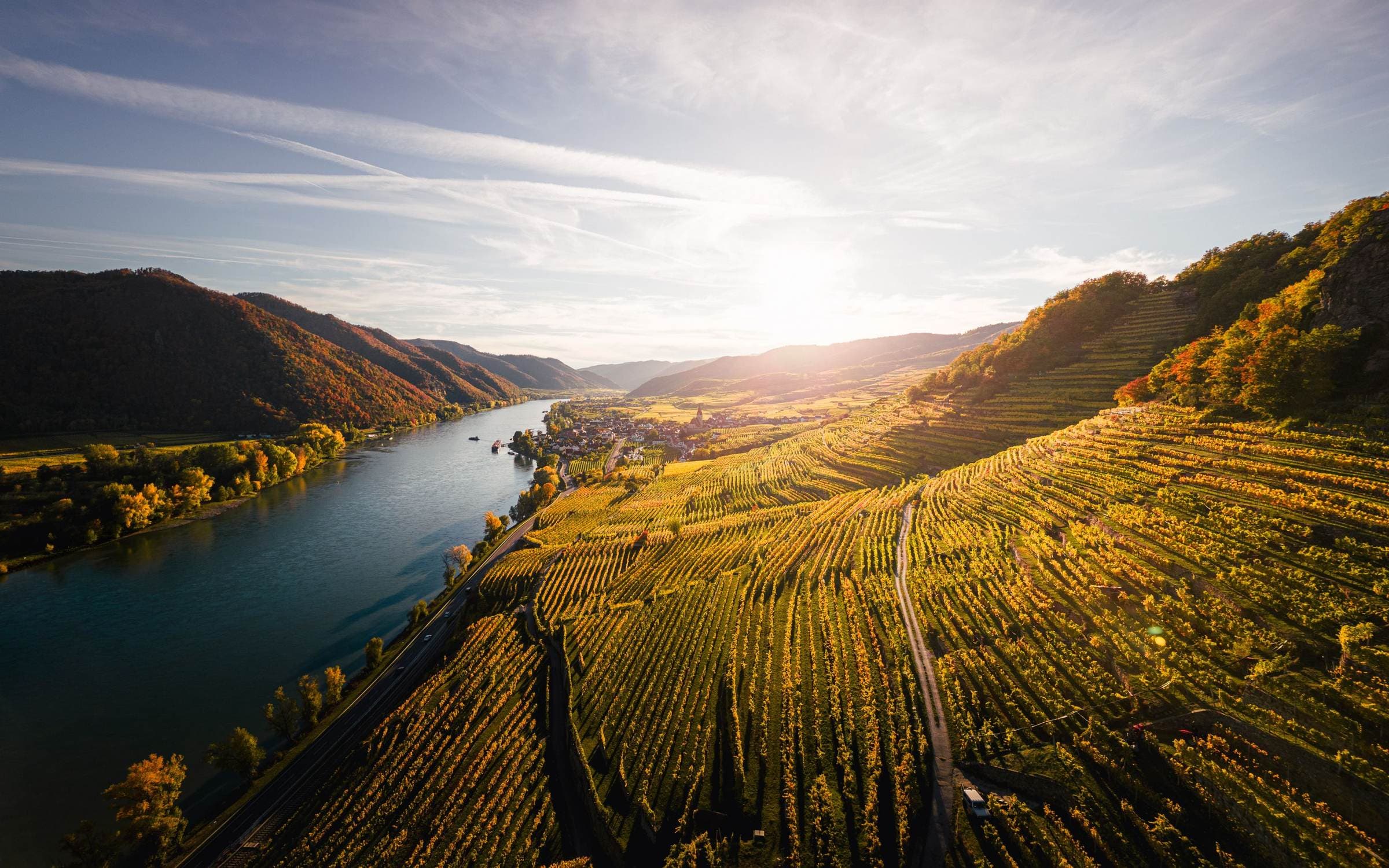 Photo: Frank Wesneck / Pexels
Wachau, Kamptal, Kremstal: Riesling on the Danube
In Austria, Riesling is a minor variety – but along the Danube in Lower Austria it is a major matter. A tour of three neighbouring regions with terraces, primary rock and rules of their own.